
Profile & History
History and Evolution of The National Treasury
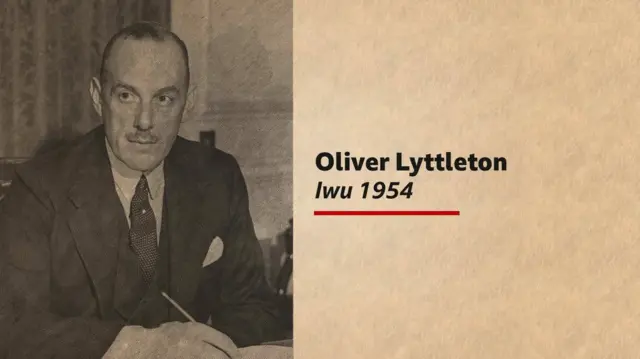 The origins of the National Treasury date back to pre-independence Kenya. The Oliver Lyttleton Constitution of 1954 established the Ministry of Finance and Development, marking the start of a structured financial administration in the country. Since then, the Ministry has experienced various changes, though its core functions have stayed consistent. Notably, the Treasury and the State Department of Economic Planning—now combined within the Ministry—have historically operated either together under one institution or separately, depending on the administrative framework in place.
The Constitution of Kenya, 2010, provided a solid constitutional foundation for the National Treasury. Article 225 explicitly envisioned the creation of the National Treasury through legislation. This vision was realized with the enactment of the Public Finance Management Act, 2012. Part III of the Act formally established the National Treasury and clearly defined its mandate and functions.
In addition, the Constitution vested the responsibility for economic policy and national planning in the National Treasury. Pursuant to this, Executive Order No. 1 of 2023—later superseded by Executive Order No. 1 of 2025—consolidated these functions under a single institution, the National Treasury, situating both the National Treasury and the State Department for Economic Planning within one institutional framework.


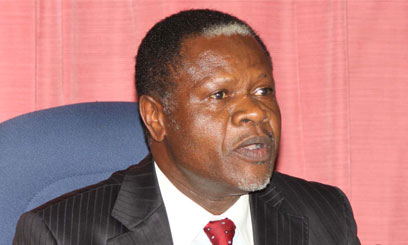


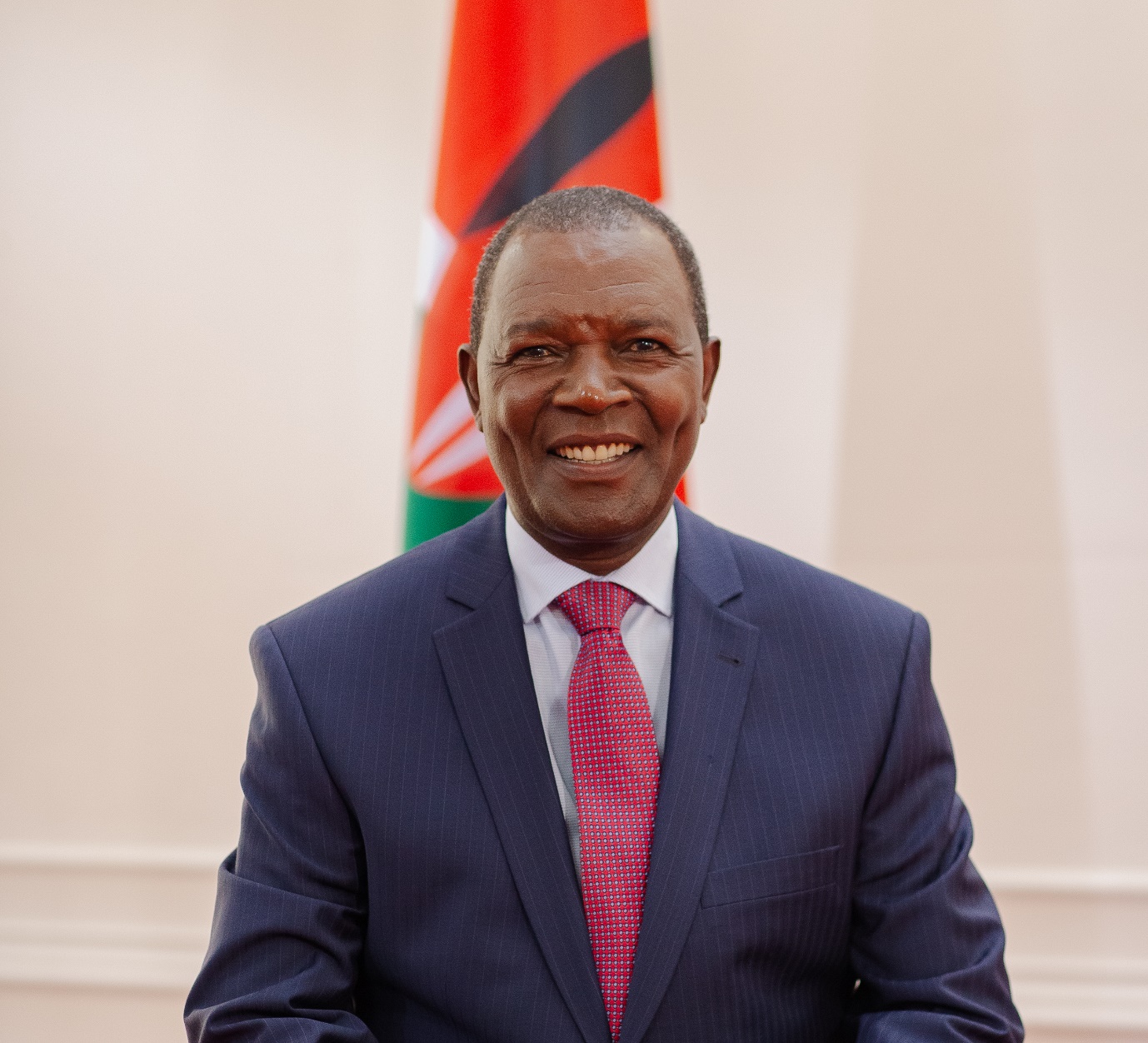
Ministers of Finance of Kenya (1963–2024)
1963–1969
1969–1982
1982–1988
1988–1993
1993–1997
1997–1998
1998–Feb 1999
Feb–Aug 1999
Sep 1999–Nov 2001
2002–2006
2006–Jul 2008
Jul–Sep 2008
2008–2013
2013–2019
Jul 2019–Jan 2020
Jan 2020–Oct 2022
Oct 2022–Jul 2024
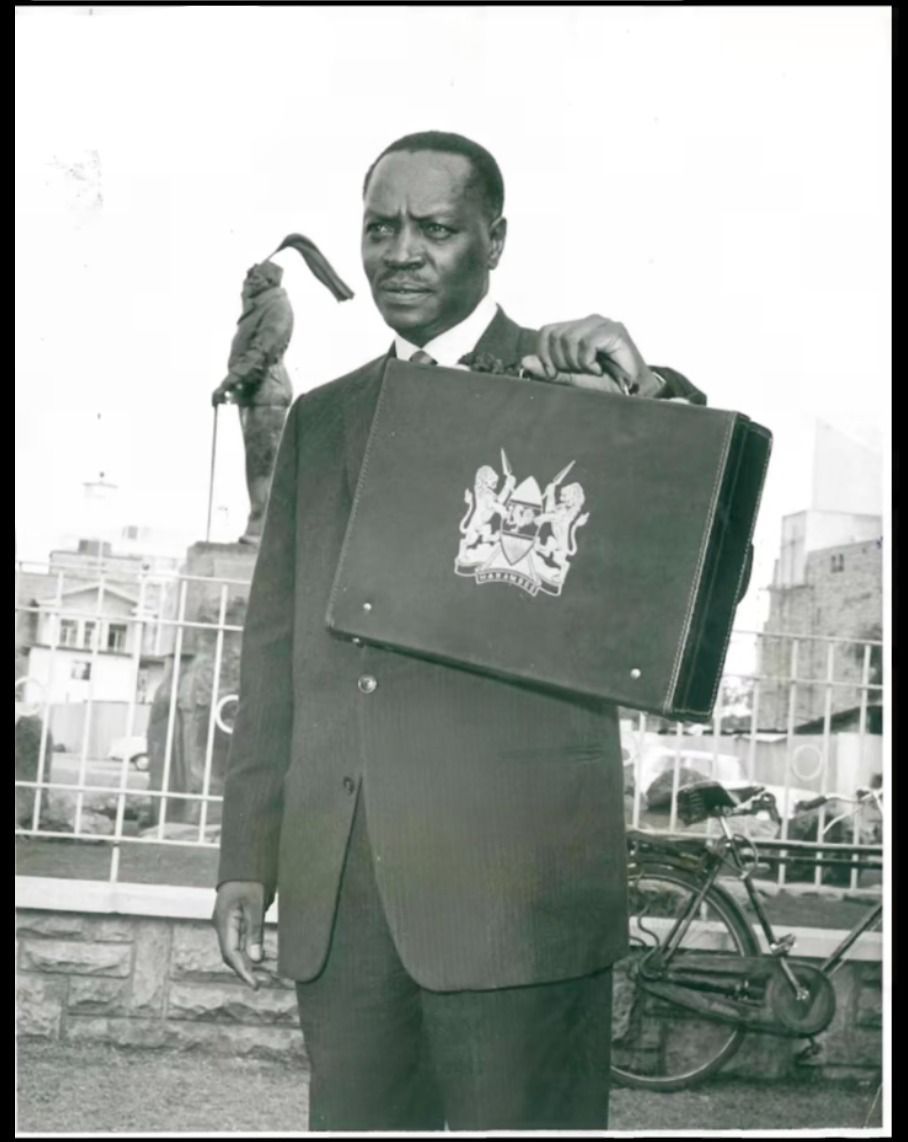
Hon. James Gichuru, EGH
1963 – 1969
James Samuel Gichuru (1914–1982) was a distinguished Kenyan politician and nationalist leader who played a pivotal role in the country's struggle for independence. Born in Thogoto, Kiambu County, he emerged as a central figure in shaping Kenya's political and economic trajectory.
Following independence in 1963, Gichuru was appointed as Kenya's first Minister of Finance, a position he held for much of the 1960s. In this role, he laid the foundation for the nation's economic policy, tackling pressing challenges such as reducing reliance on British financial support. He was among the pioneering technocrats behind the drafting and implementation of Sessional Paper No. 10 of 1965, a landmark policy document that charted Kenya's path toward sustained economic growth and development.
In the 1970s, Gichuru transitioned to serve as Minister of Defense, further cementing his influence in government. His leadership was instrumental in steering Kenya through the delicate transition to independence and in establishing the early frameworks of party politics and governance.

Hon. Mwai Kibaki, EGH
1969 – 1982
Mwai Kibaki (1931–2013) was a renowned economist, politician, and statesman whose career bridged Kenya's early independence years and its modern political era. Born in 1931, he quickly rose to prominence as the country's first Minister for Finance and Economic Planning following independence, later serving as Vice President and Minister for Finance under President Daniel arap Moi. He earned wide recognition for his mastery of economic management, his role in advancing public sector reforms, and his commitment to expanding access to education.
As Finance Minister, Kibaki was instrumental in stabilizing Kenya's post-independence economy, guiding the transition from colonial financial structures to nationally managed systems. Under his stewardship, Kenya recorded impressive GDP growth rates of 6–7% throughout the 1960s and 1970s, driven by agriculture, manufacturing, and tourism. He is also credited, alongside Tom Mboya, with the drafting and implementation of Sessional Paper No. 10 of 1965, The Sessional Paper No. 10 of 1965 stood as a landmark policy, serving as the blueprint for Kenya's economic growth and long-term development. As Finance Minister, Mwai Kibaki emphasized fiscal discipline, prudent public expenditure, and monetary stability—measures that ensured the Kenyan shilling remained relatively stable. He also championed Africanization, expanding African participation in commerce, banking, and public service, while encouraging the growth of local entrepreneurship.
Yet, his tenure was marked by significant challenges. Economic progress was uneven, with rural poverty and regional disparities persisting. Kenya's dependence on agriculture left the economy exposed to droughts and fluctuations in global commodity prices. The oil shocks of 1973 and 1979 further strained the system, driving inflation, increasing import costs, and creating balance of payments pressures. Despite these obstacles, Kibaki's stewardship established enduring foundations for Kenya's economic policy. His vision positioned the nation as one of Africa's strongest economies in the post-independence era, laying the groundwork for resilience and future development.
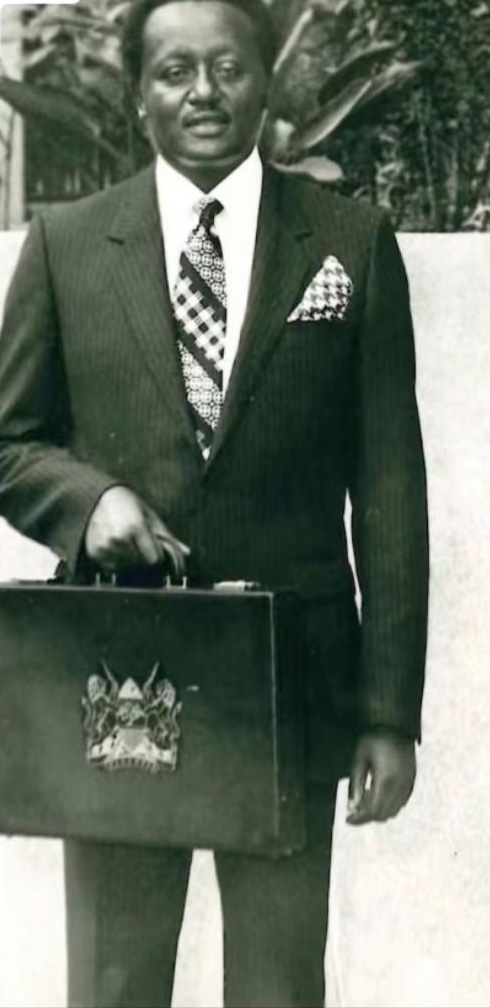
Hon. Arthur Magugu, EGH
1982 – 1988
Arthur Kinyanjui Magugu (1934–2012) was Kenya's Minister of Finance from 1982 to 1988. He was a seasoned politician who played a significant role in shaping Kenya's economic policies during the Moi administration. Served in various government roles, with his most notable appointment being Minister for Finance (1982–1988) during President Daniel arap Moi's tenure. Role as Minister of Finance:Economic Oversight: Magugu's period as Finance Minister coincided with a challenging era for Kenya's economy, marked by global recessionary pressures and structural adjustment programs.
Policy Influence: He was responsible for managing Kenya's fiscal and monetary policies, ensuring budgetary discipline, and navigating external financial relations during a time when Kenya was increasingly engaging with international lenders such as the IMF and World Bank.
Arthur K. Magugu was a key figure in Kenya's financial governance during the 1980s, steering the country's economy through a turbulent global environment and leaving a legacy of resilience in fiscal management
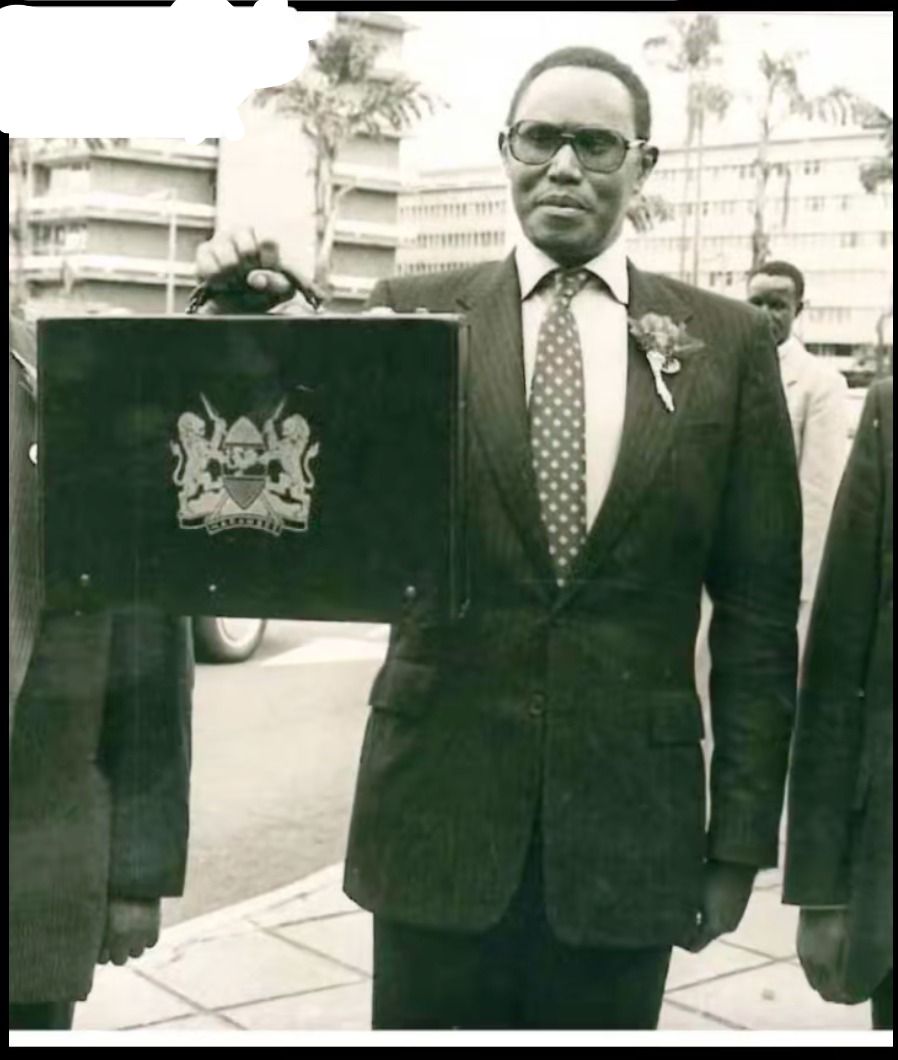
Prof. George Saitoti, EGH
1988 – 1993
Born on 3rd August 1945 in Ngong, Kajiado. Appointed Finance Minister in October 1983. George Saitoti served as Kenya's
Minister of Finance from 1988 to 1993, a period marked by both economic reform and political turbulence. His tenure is remembered for introducing structural adjustment programs, stabilizing fiscal policy, and navigating Kenya through a difficult global economic environment. Economic Reforms & Structural Adjustment: Saitoti oversaw the implementation of IMF and World Bank–backed structural adjustment programs. These reforms aimed to liberalize trade, reduce government spending, and privatize state-owned enterprises.
Corruption and Governance Issues: His tenure coincided with growing concerns about corruption in government, which undermined confidence in fiscal reforms. His tenure was marked by high inflation and the Goldenberg scandal, which cost Kenya billions of shillings.
Legacy; Technocratic Leadership: Saitoti, a mathematician by training, brought intellectual rigor to economic management. His analytical approach distinguished him from many contemporaries who relied more on political patronage.
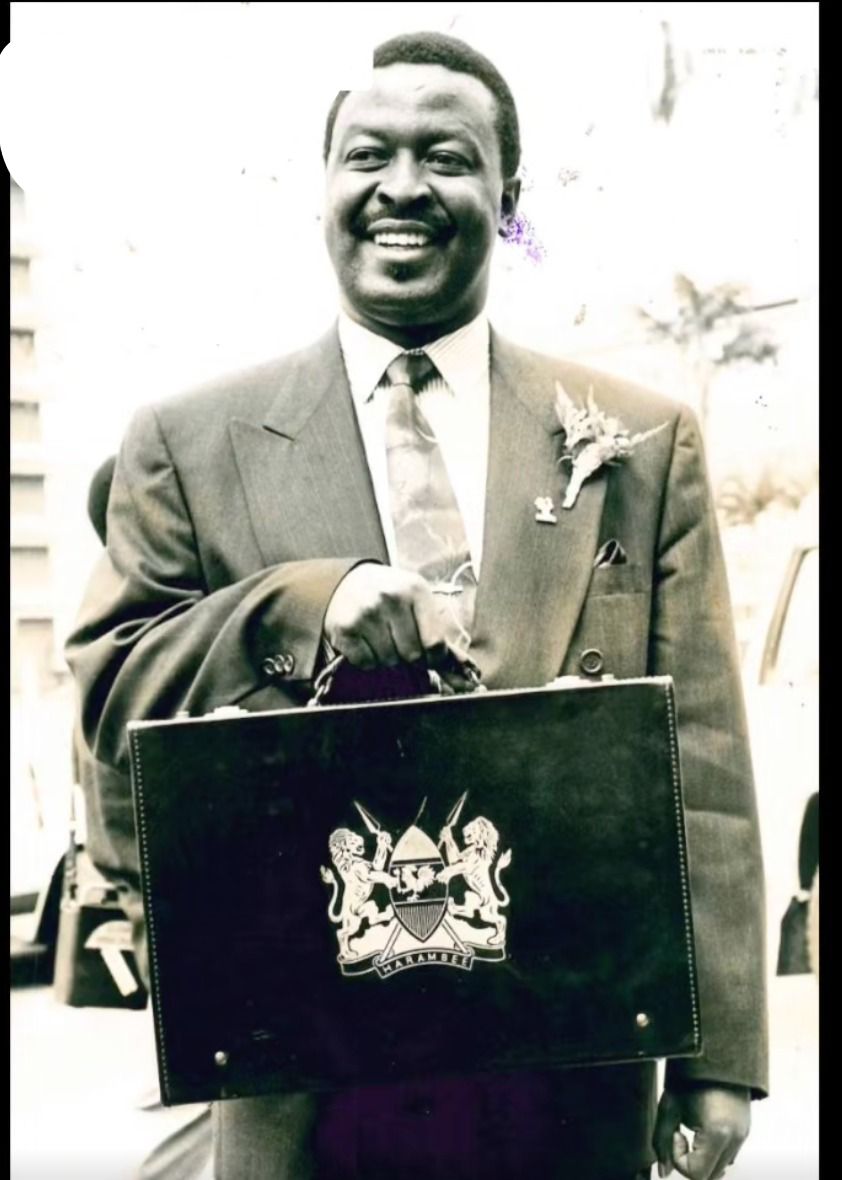
Hon. Musalia Mudavadi, EGH
1993 – 1997
Hon. Musalia Mudavadi served as Kenya’s Minister for Finance between 1993 and 1997, during the Moi administration. His period at the Treasury was defined by severe economic decline, rising public debt and inflation, and the heavy influence of donor conditionalities imposed by the IMF and World Bank. At the same time, Kenya faced mounting political pressure for multiparty democracy and governance reforms, making the economic environment highly complex and politically constrained.
As Finance Minister, Mudavadi prioritized fiscal discipline and inflation control, supporting structural adjustment programs aimed at reducing budget deficits and stabilizing the Kenyan shilling. He also introduced tax reforms to widen the revenue base and promoted budget rationalization and expenditure controls. While these measures were technically sound, they carried high social costs, including reduced spending on health, education, and social services. His efforts to engage international financial institutions sought to restore donor confidence, but governance concerns and political interference limited the effectiveness of these negotiations.
Mudavadi’s tenure was further challenged by systemic corruption and governance failures, most notably the Goldenberg scandal, which severely undermined fiscal credibility. Structural adjustment programs also led to job losses, subsidy cuts, and declining living standards, fueling public perception that Treasury policies favored external lenders over citizens.
Despite these constraints, Mudavadi was widely regarded as a competent technocrat. His calm, consultative, and policy‑oriented leadership earned respect among professionals and development partners. Overall, his tenure can be described as technically credible but structurally constrained—marked by sound macroeconomic management overshadowed by corruption, governance failures, and uneven social outcomes that defined Kenya’s economic trajectory in the 1990s.
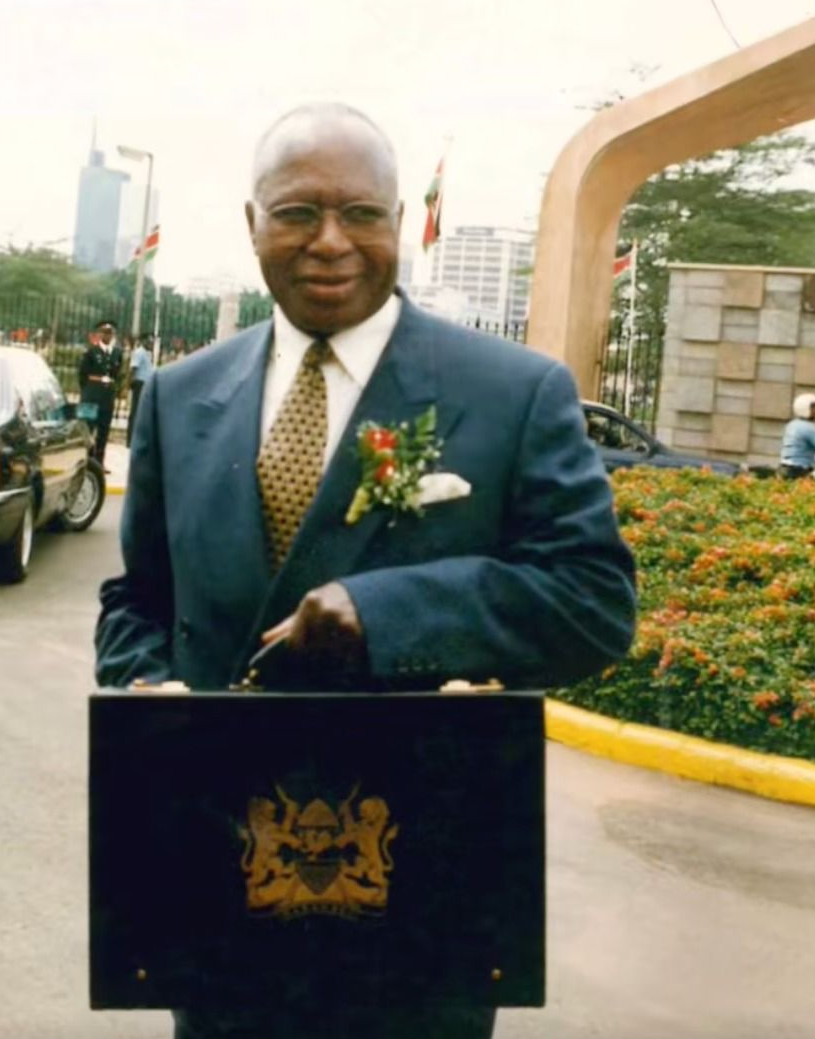
Hon. Simeon Nyachae, EGH
1997 – 1998
Simeon Nyachae’s brief tenure as Kenya’s Minister for Finance (1997–1998) came at a time of economic turbulence and political transition. He inherited a Treasury burdened by high public debt, strained donor relations, and widespread governance concerns following the Goldenberg scandal, which had severely eroded fiscal credibility. Known for his reputation as a firm administrator, he sought to promote transparency and efficiency within the Treasury, while working to stabilize the Kenyan shilling and maintain macroeconomic balance.
Despite these efforts, Nyachae’s impact was constrained by systemic corruption, entrenched patronage networks, and limited political autonomy under the Moi administration.
Kenya’s strained relationship with international lenders further weakened the effectiveness of his reforms, while his short tenure denied him the longevity needed to push through bigger institutional changes.
His leadership style—firm, technocratic, and reform‑oriented—brought professionalism to the Finance Ministry, but his legacy remains mixed: an earnest attempt to restore fiscal order and integrity in a compromised governance environment, curtailed by structural and political realities.
As Finance Minister, Nyachae emphasized fiscal discipline, tighter expenditure controls, and improved revenue collection. His 1998/99 Budget Speech underscored the need for rationalized spending and accountability in public finance.

Hon. Francis Masakhalia, EGH
1998 – February 1999
Francis Omoto Masakhalia was the first MP for Butula Constituency. He served as Minister for Finance for only six months.

Hon. Chris Okemo, EGH
February 1999 – August 1999
Chrysanthus Barnabas Okemo (born 17th July 1947) served as MP for Nambale (1997–2007). He became popular for removing tax on bicycles (boda bodas), commonly used in the taxi business.
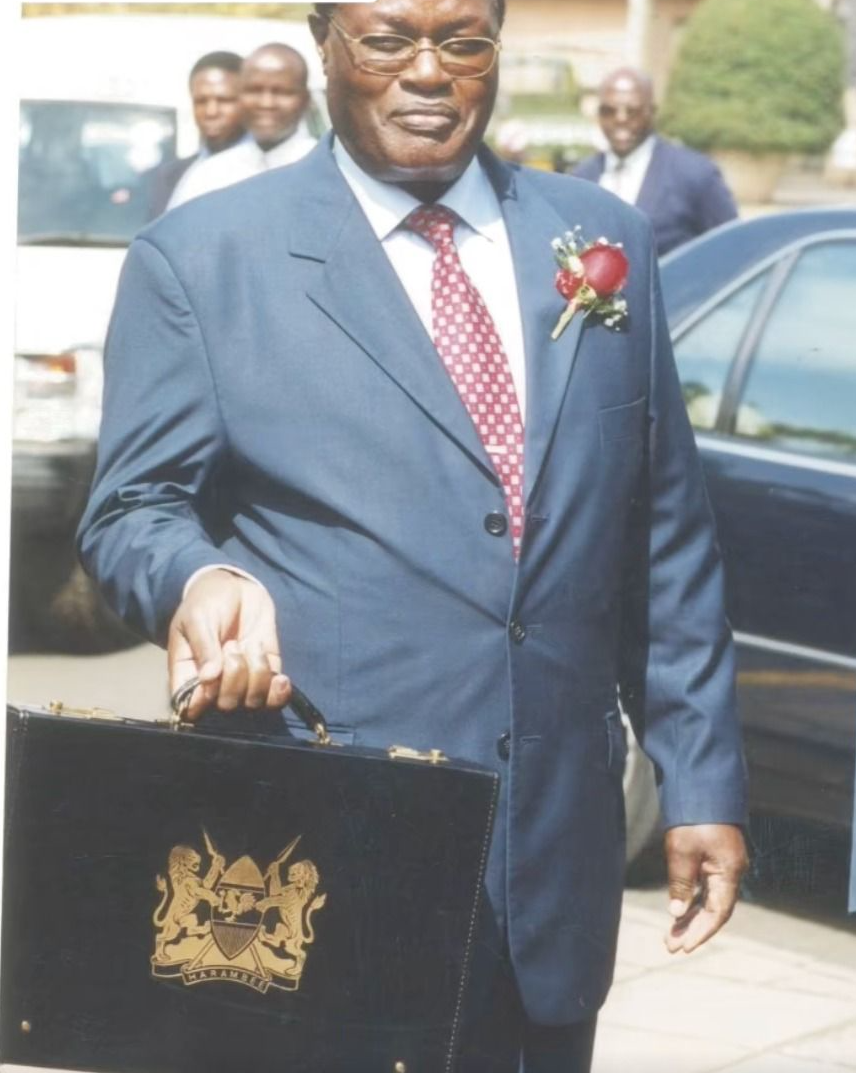
Hon. Christopher Mogere Obure, EGH
September 1999 – November 2001
Born on 29 September 1943 in Boigesa Village, Bobasi, Kisii County, Hon. Chris Obure began his education in local primary and secondary schools before advancing to the University of Nairobi, where he earned a Bachelor of Commerce (B.Com) degree.
Obure's career in public service and politics has spanned several decades, marked by significant contributions to Kenya's governance and development. He served as Member of Parliament for Bobasi Constituency (2008–2013) and was appointed Minister of Public Works in the Government of National Unity. Over the years, he also held various ministerial positions across different administrations, reflecting his enduring influence in national leadership.
Finance and Infrastructure Legacy
As Minister of Public Works and Finance, Obure played a pivotal role in shaping Kenya's economic and infrastructural landscape. His leadership contributed to the expansion of critical infrastructure and strengthened financial oversight, leaving a lasting imprint on the country's development trajectory.
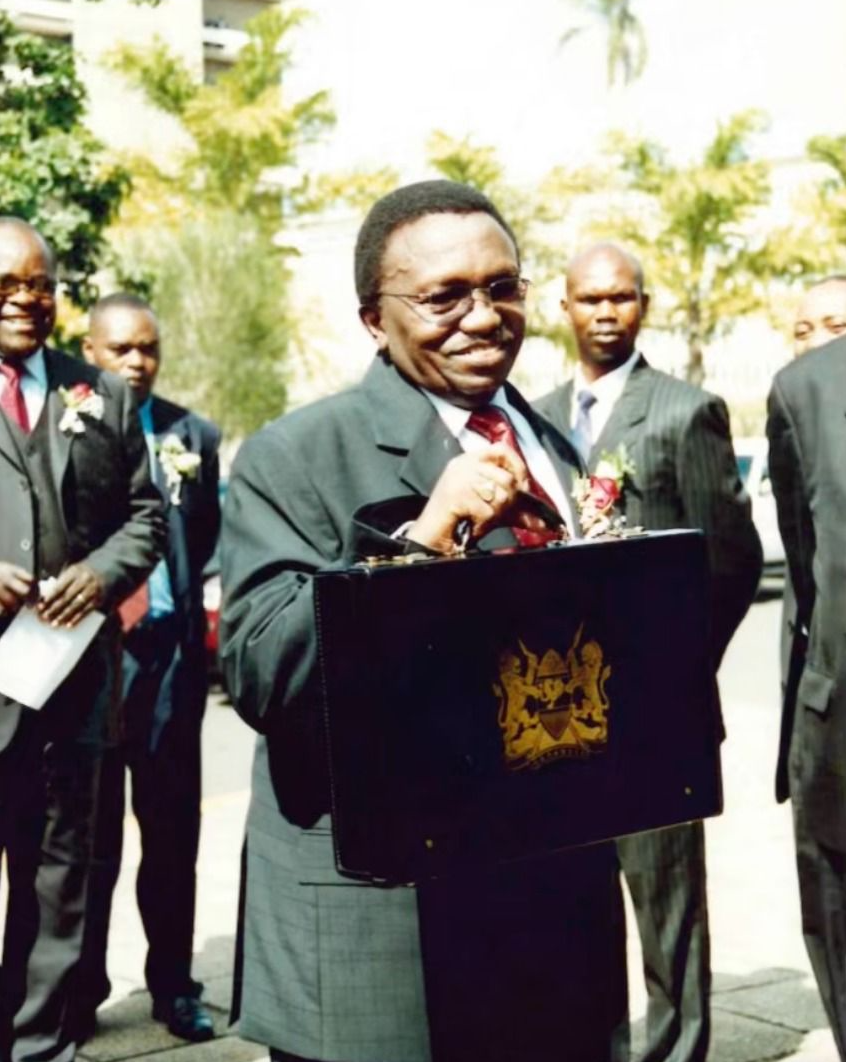
Hon. David Mwiraria, EGH
2002 – 2006
Born on 3rd September 1938. Served as Permanent Secretary (1977–1986), then MP for North Imenti. Appointed Finance Minister under the National Rainbow Coalition (NARC) from 2002 to 2006.
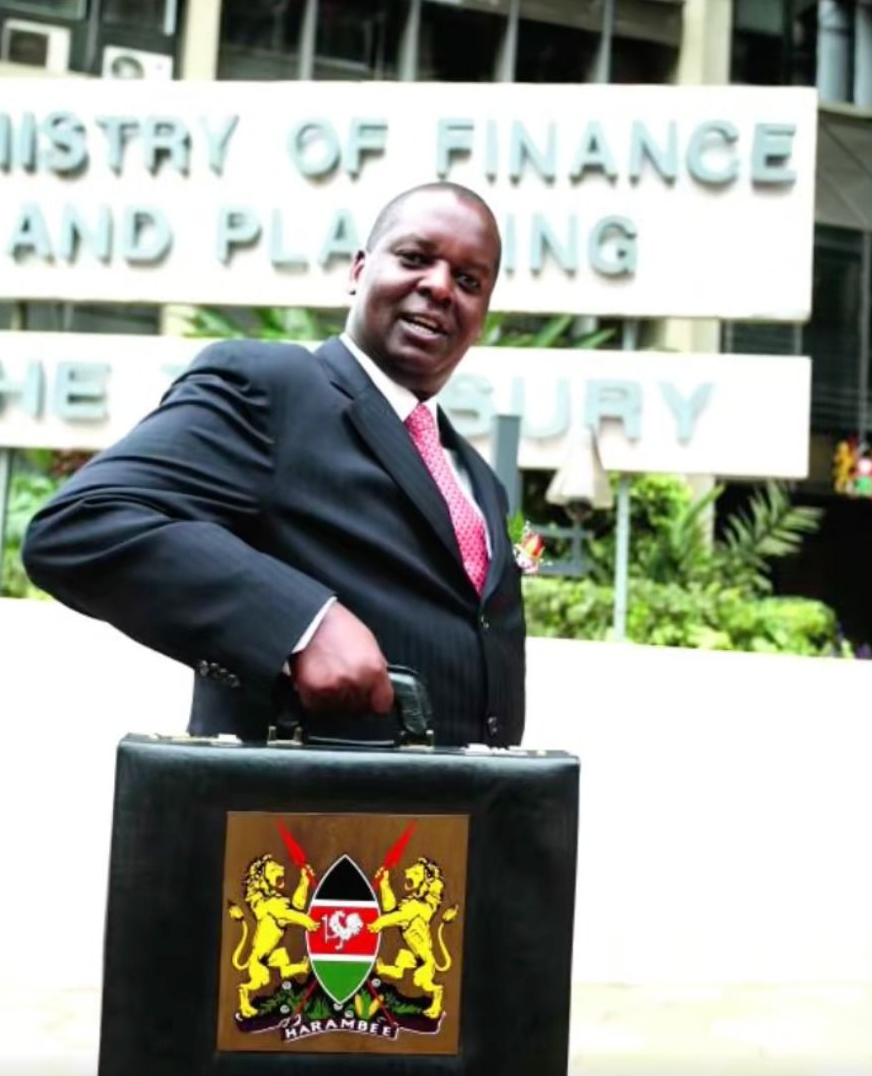
Hon. Amos Kimunya, EGH
2006 – July 2008
Born on March 6, 1962. Appointed Finance Minister by President Kibaki on 14 February 2006 following David Mwiraria's resignation. Served as MP for Kipipiri.

Hon. John Njoroge Michuki (Acting), EGH
July 2008 – September 2008
Born in December 1932 in Murang'a. Rose from Under Secretary (1963) to Permanent Secretary in the Treasury (1965). Famous for the "Michuki Rules" in public transport. Appointed Acting Finance Minister on 11 July 2008 after Amos Kimunya's exit.
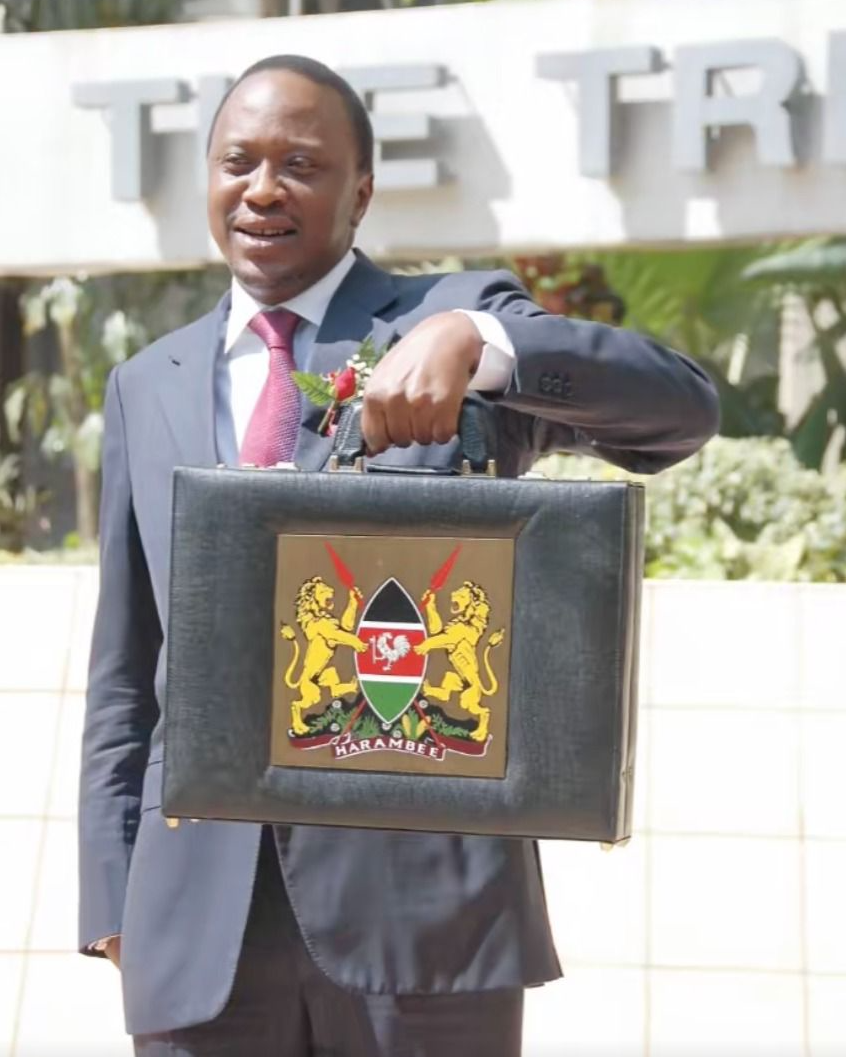
Hon. Uhuru Kenyatta, EGH
2008 – 2013
Born 26 October 1961, son of Jomo Kenyatta. Served as MP for Gatundu South (2002–2013), Deputy Prime Minister, and Finance Minister (2008–2013). He read one budget under the old Constitution and was the last Finance Minister before full implementation of the 2010 Constitution.

Hon. Henry K. Rotich, EGH
2013 – July 2019
Born in 1969. Nominated by President Uhuru Kenyatta as Cabinet Secretary for the National Treasury on 23 April 2013.

Hon. Amb. Ukur Yatani Kanacho (Acting), EGH
July 2019 – January 2020
Born in 1967 in North Horr. Former District Officer and MP for North Horr (2006). Appointed Acting Cabinet Secretary for Treasury on 24 July 2019 after Henry Rotich's sacking.
Hon. Amb. Ukur Yatani Kanacho, EGH
January 2020 – October 2022
Confirmed as Cabinet Secretary for the National Treasury on 24 January 2020 after serving in an acting capacity.
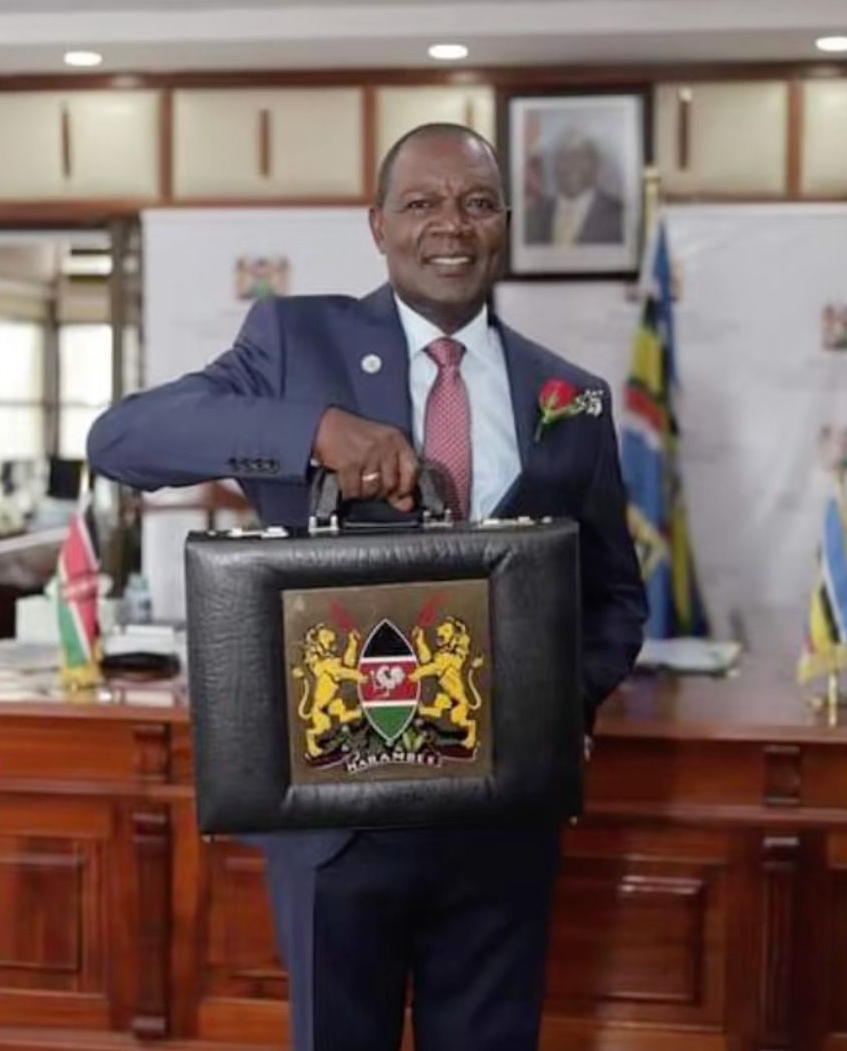
Prof. Njuguna Ndung'u, EGH
October 2022 – July 2024
Born in 1960 in Kandara, Murang'a. Served two terms as Governor of the Central Bank of Kenya (2007–2015). Rejoined AERC as Executive Director in 2018. Appointed Cabinet Secretary for the National Treasury and Economic Planning in October 2022.